
Biological Scrubbers
For efficient removal of H2S, VOCs and other odours from air streams using controlled biological activity.
Designed for high treatment efficiency, maximum corrosion resistance. Biological scrubbing action minimises chemical consumption and offers low ongoing operational cost. The biological scrubbers are built to designs by Marc Deshusses, Professor of Chemical & Environmental Engineering, USA. Marc Deshusses is a leading international researcher in biological techniques for air pollution control.
Uses of Biological Scrubbers
Wastewater treatment plants for hydrogen sulphide and odour control
Pumping stations for odour control
Rendering plants for odour control
Pulp & Paper plants for odour control
VOCs (volatile organic compounds)
Food processing plants for odour control
Biogas scrubbing
Types Available
We have a range of different Biological Scrubber types available to suit any application:
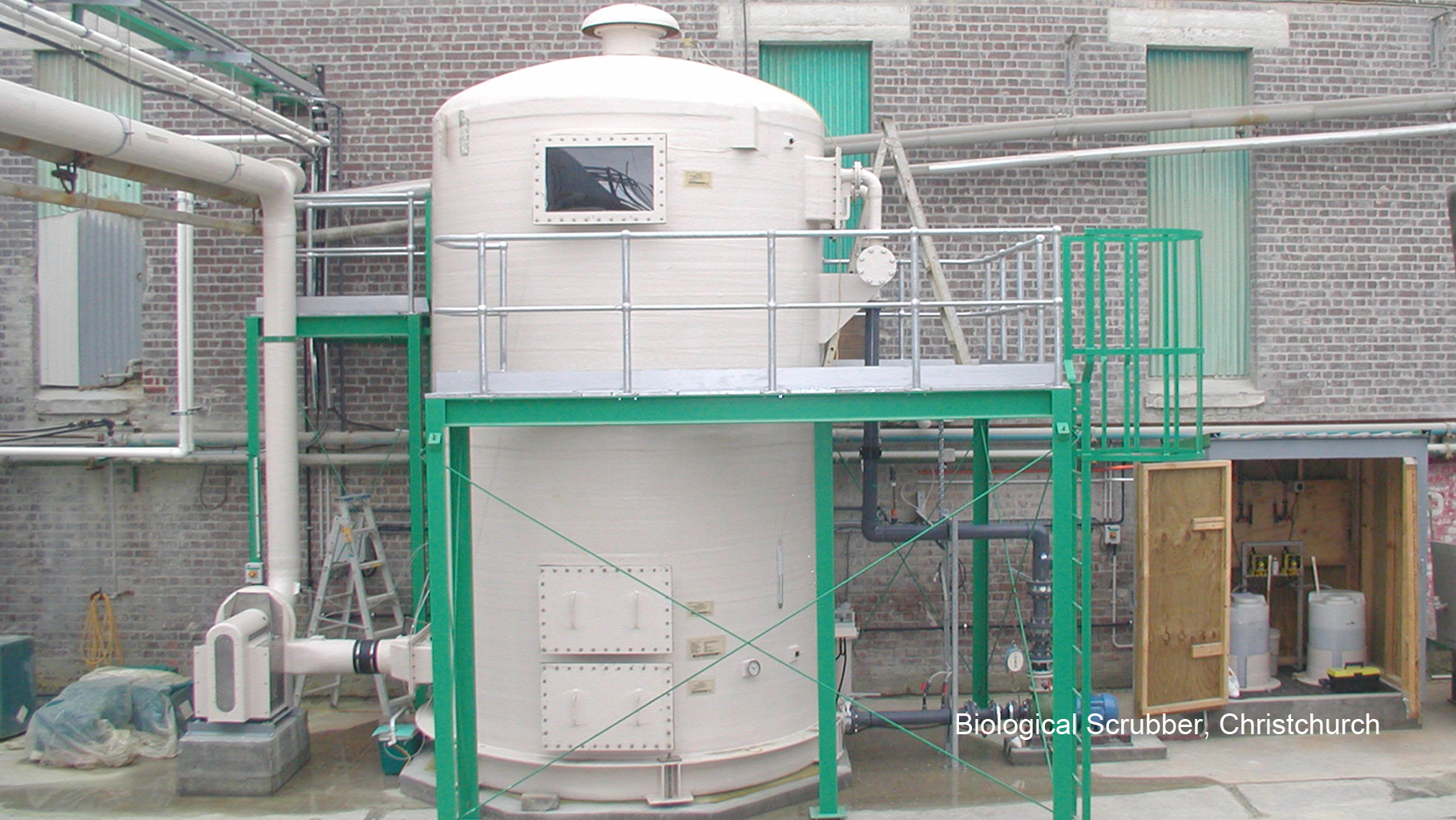
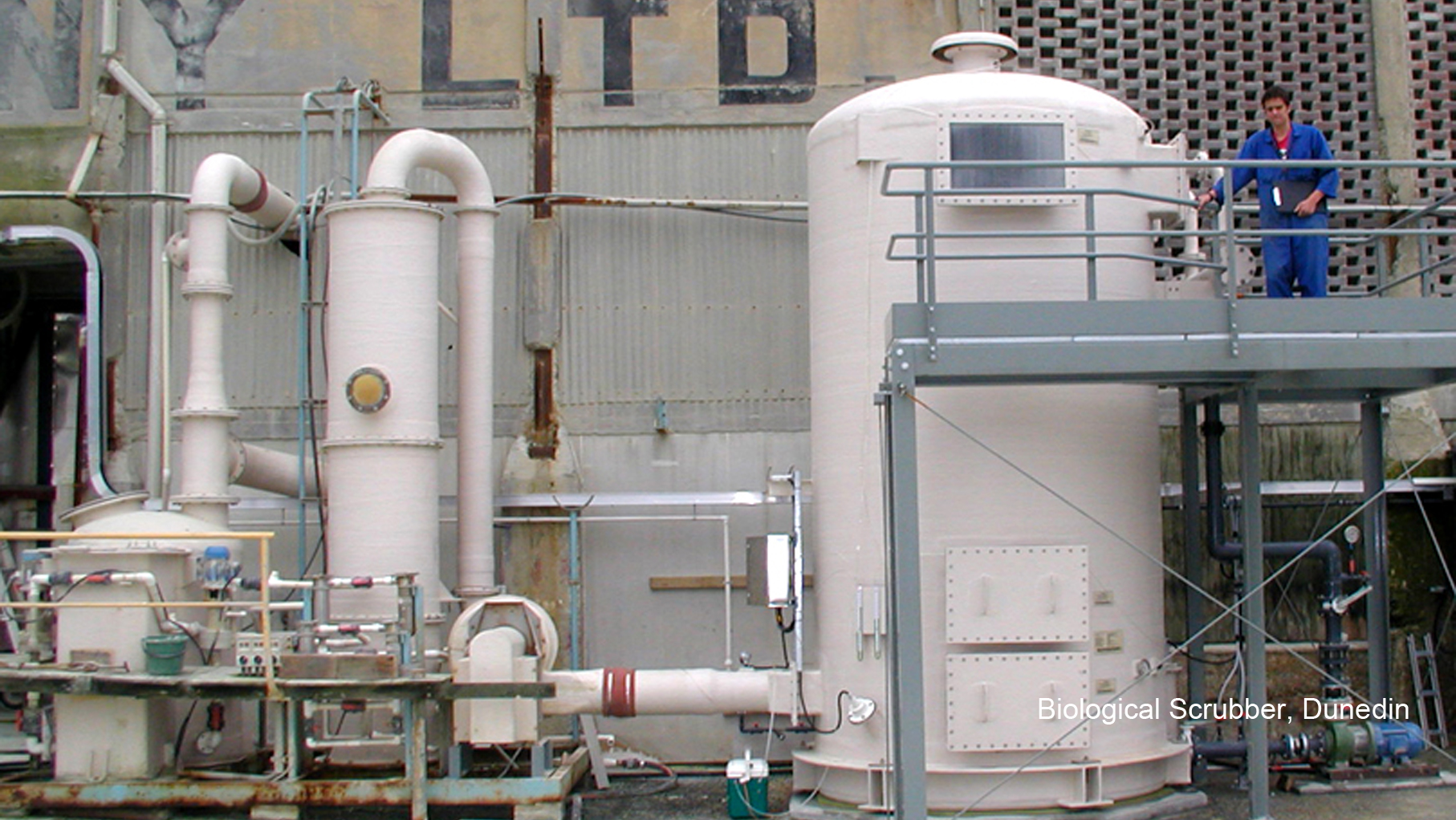
Vertical towers
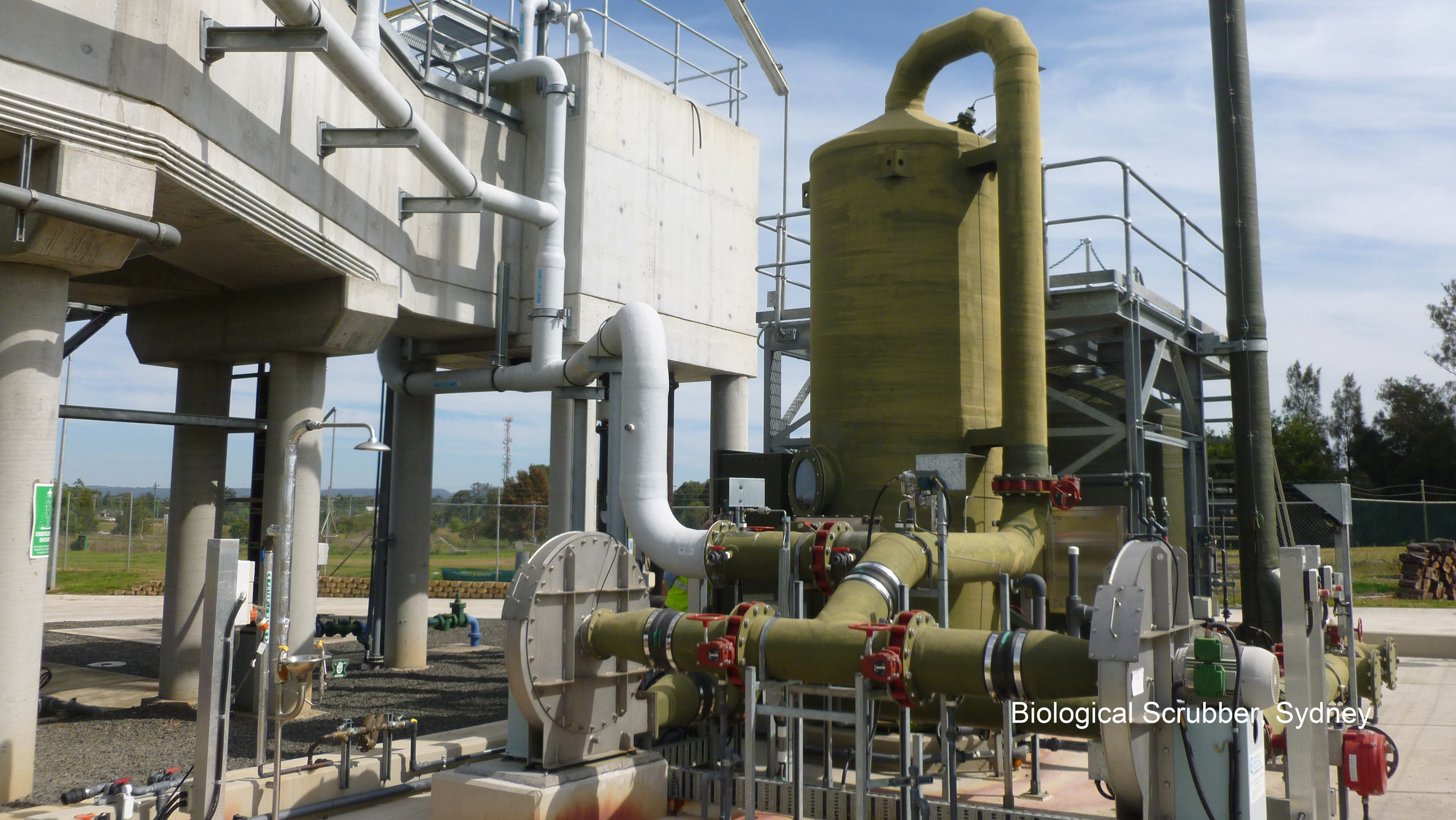
Horizontal crossflow style
Combination "plug & play" units
Key Features
Lower operating costs
Compact footprint
No hidden operating costs
Extensible
Corrosion resistant construction
Lower scrubber shell serves as integral sump for recirculating liquid supply
Standard accessories including access doors, spray headers, piping connections, nozzles, internal structure supports, packing plates and hold-down lugs.
Circulation pump can be mounted on side of scrubber to minimise footprint
Nutrient dosing & storage componentry are optionally included
No complex controlling instrumentation. ph monitored only.

Download the Biological Scrubber Handbook
“The biological scrubber has been working very well for a long period of time. Everyone involved has been impressed with its reliability”
Featured Projects
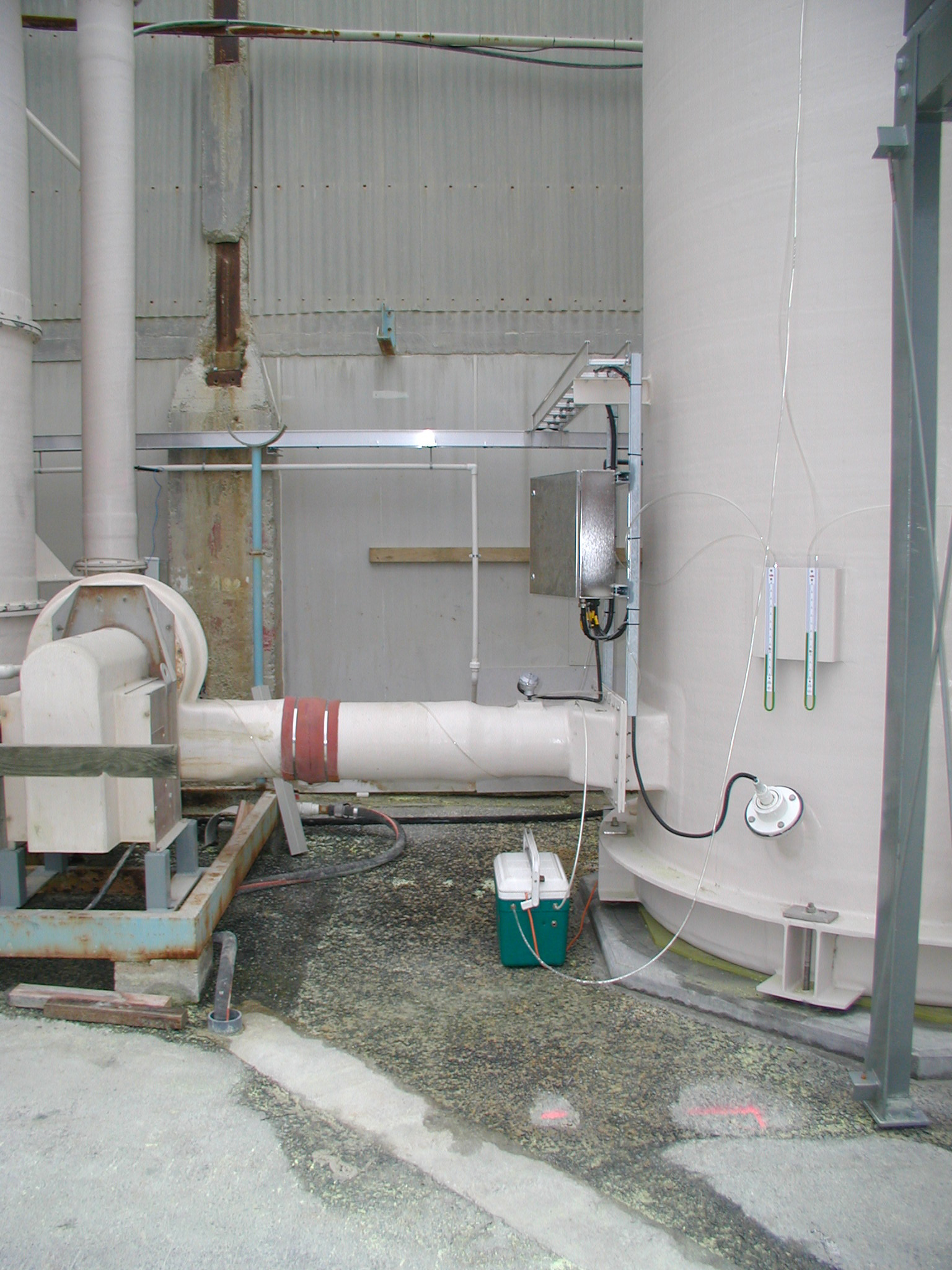
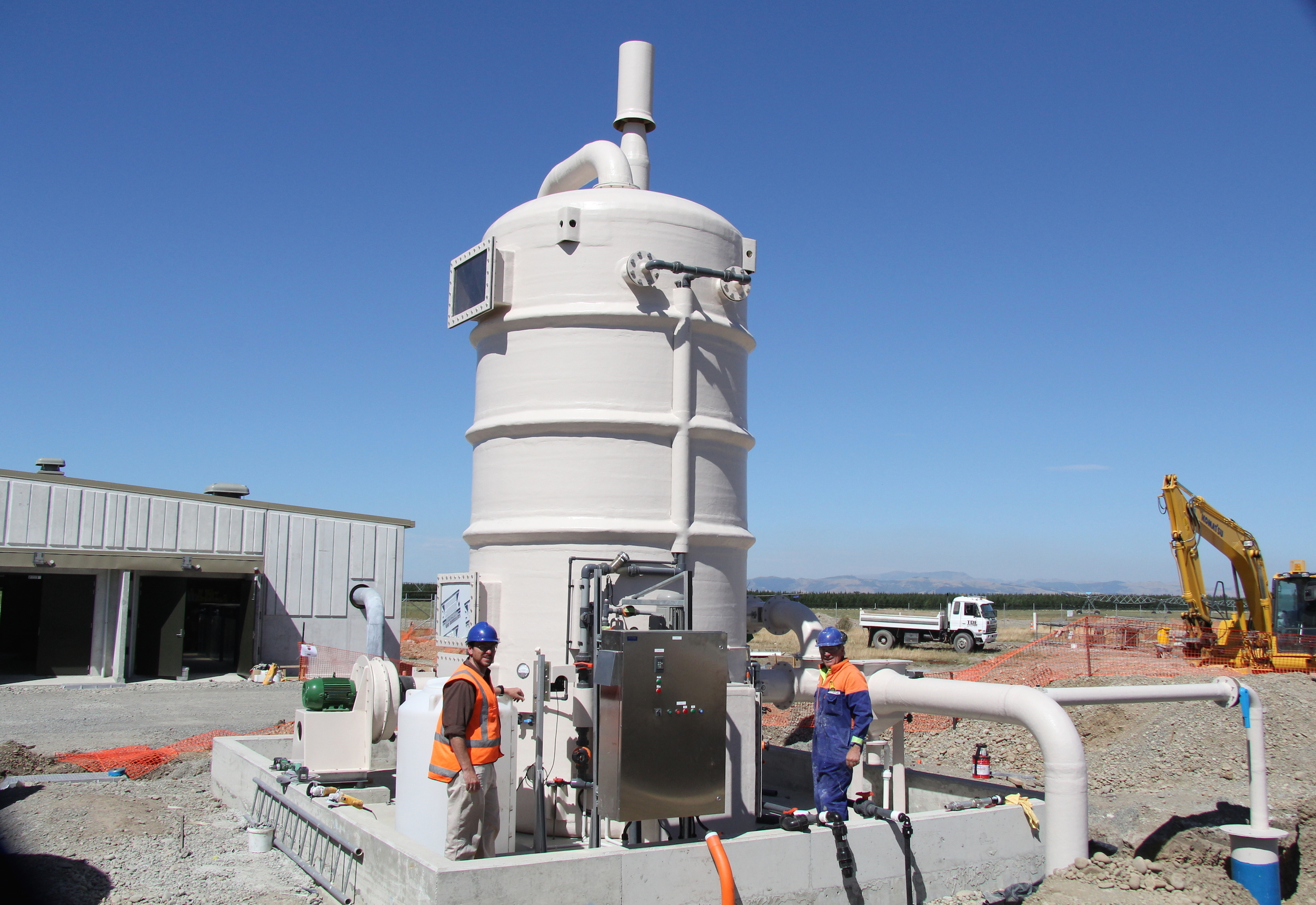
Armatec designed and installed a >99% efficient biological scrubbing system for the award-winning Pines II Rolleston wastewater treatment plant.